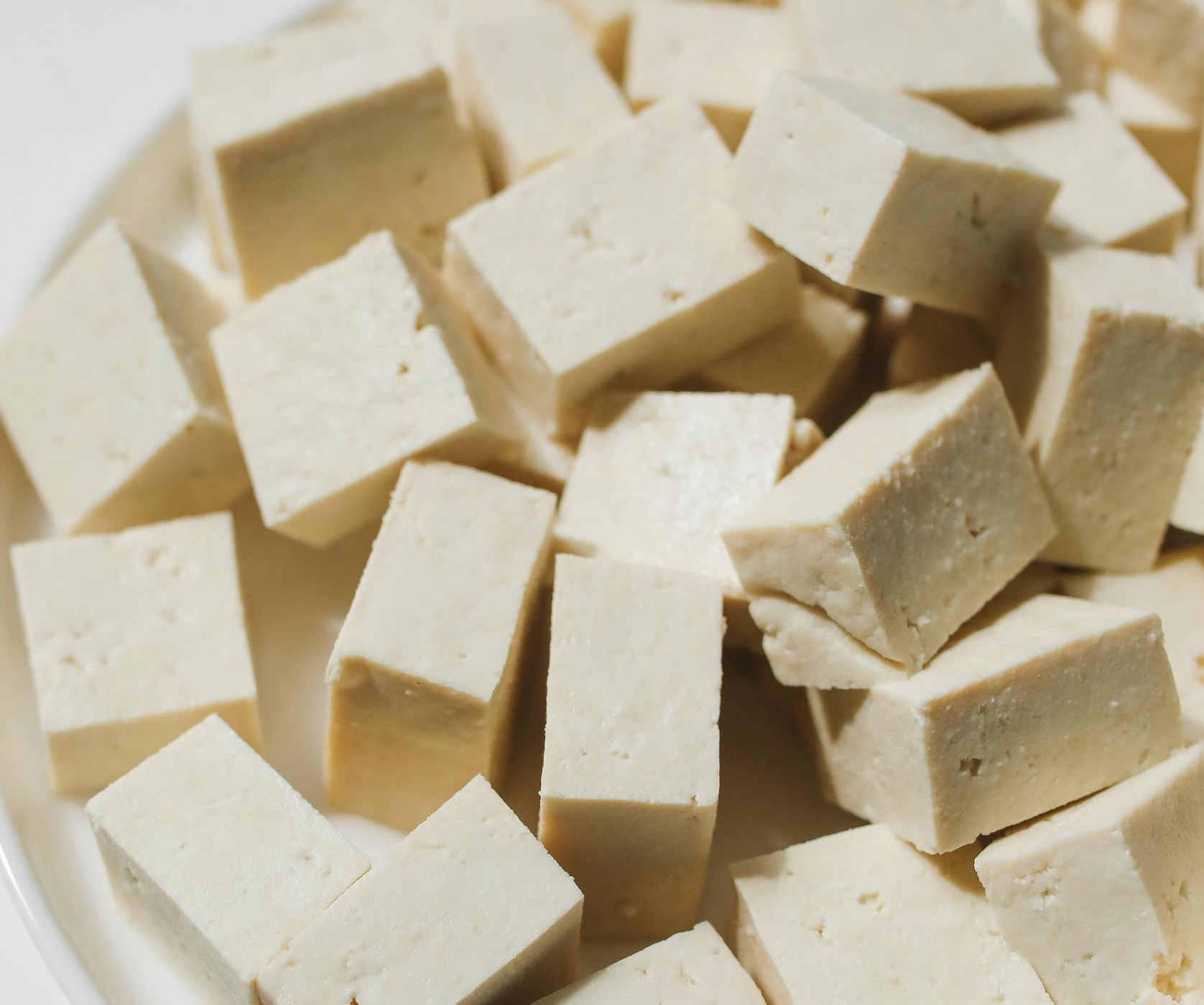
A salty treat that is easy to make. You can mimic the flavor of sheep milk by adding a little bit of lipase powder to cow milk during the cheesemaking process. Doing so is optional and some people don’t like the rancid flavor this imparts.
Ingredients
- 2 gallons of whole milk. Pasteurized is ok, ultra-pasteurized will not form a solid curd and will not work.
- 1/2 teaspoon lipase powder (optional)
- 1 packet mesophilic Direct Set starter culture, or 8 ounces prepared starter
- 1 teaspoon Rennet (or amount recommended by manufacturer or by experience) diluted in 1/4 cup bottled or filtered water (don’t dilute until ready to use)
- 1/4 teaspoon 30% Calcium Chloride solution if using pasteurized milk.
- Non-iodized salt (kosher or pickling salt)
Note: Calcium Chloride is available from cheesemaking or winemaking suppliers. To make your own 30% solution from dry CaCl2, mix a 2 ounce packet (about 5 tablespoons) of dry CaCl2 powder to 4 ounces of clean water (bottled or boiled), then add water to make a total of 6.4 ounces. Solution will get quite hot while mixing!
Method
If using lipase, dilute it in 1/4 cup water (filtered or bottled) and let sit for 20 minutes while heating milk in next step.
Heat milk to 86°F.
Add mesophilic culture. Add lipase, if using.
Wait 1 hour.
If using Calcium Chloride, dilute it in 1/4 cup of water and add.
Dilute rennet in 1/4 cup of water, and add. Stir 1-2 minutes and then stop stirring.
Wait 1 hour or until a clean break is achieved.
Cut curd into 1/2 inch cubes.
Let sit for 10 minutes to allow curds to heal.
Gently stir curds for 20 minutes.
Pour curds and whey through cheesecloth lined colander. Tie the corners of the cheesecloth together, suspend over a pot and allow to drain. Alternatively, the curds can be placed in square or round cheese molds and be allowed to drain on a draining mat.
Drain for 2 hours.
Place bag in a bowl, cover bowl with a towel.
Age at room temperature for approximately 24 hours from start of cheesemaking.
Untie bag and cut cubes into 1 inch cubes. Salt with 4-8 teaspoons of salt to taste (less for fine grain salt, more for course grain salt). Gently distribute salt evenly among the cubes.
Place salted cheese in a plastic container with lid partially open to allow cheese to dry.
Age salted cheese at room temperature another 24 hours.
Optional: Instead of aging a second day at room temperature, age for 30 days at 46-50°F, either in a plastic container with lid cracked or immersed in a 8% brine solution (see below).
This cheese can be brined after aging, which will preserve it and give it a very strong flavor. Make a 8% brine solution by mixing 5.75 ounces of salt (aprox 3/4 cup kosher salt, or 1/2 cup pickling salt) in 2 quarts of water (reduced appropriately for the amount of brine needed). Add 1 teaspoon of 30% Calcium Chloride solution per gallon of brine to keep the cheese from disintegrating and add 1/2 teaspoon distilled white vinegar per gallon to match the pH to that of the cheese. If you save the whey from cheesemaking, you can make your brine out of that (and there is no need to add CaCl2) as long as you heat the whey to 190°F and filter through cheesecloth to remove the whey proteins (the filtered solids are actually ricotta cheese).
After aging, move cheese to standard refrigerator (~36°F). This cheese keeps for about 30 days, or longer if brined.